Navigating Your Homeowners Insurance Policy: An Eastern North Carolina Guide

For homeowners in Eastern North Carolina, understanding your insurance policy is not just a recommendation—it’s a necessity. The unique geographical and climatic characteristics of our region, from the bustling port city of Wilmington to the military hub of Jacksonville and the charming coastal town of Morehead City, expose properties to specific risks that demand comprehensive and clear coverage. Hurricanes, tropical storms, and persistent humidity are not abstract threats here; they are realities that shape our lives and, crucially, our insurance needs. This guide aims to demystify your homeowners insurance policy, empowering you to read, understand, and ultimately leverage it to protect your most valuable asset.

Why Understanding Your Policy is Crucial in Eastern NC

Eastern North Carolina is a beautiful place to call home, but its coastal proximity brings inherent challenges. The Atlantic hurricane season, which runs from June to November, can bring devastating winds, torrential rains, and storm surge. Beyond the dramatic events, the region’s high humidity can contribute to issues like mold and mildew, which may or may not be covered by standard policies. Local building codes, often updated in response to past weather events, also play a significant role in repair and rebuilding costs. Being intimately familiar with your policy ensures you are prepared for these eventualities and can navigate the claims process with confidence.

The Anatomy of Your Homeowners Insurance Policy

While insurance policies can seem daunting, they are structured logically. Breaking them down into their core components can make them much more approachable. Here are the key sections you’ll encounter:

1. The Declarations Page

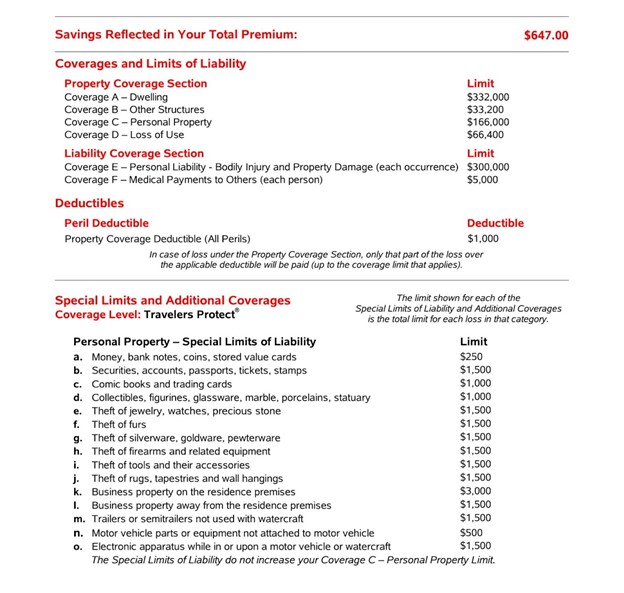
Consider this the executive summary of your policy. The declarations page, often found at the very beginning, provides a snapshot of your coverage. It typically includes:

  • Policy Number: Your unique identifier for the insurance contract.
  • Policy Period: The dates your coverage is in effect.
  • Named Insured: Your name and the names of any other individuals covered.
  • Insured Property Address: The location of the home being insured.
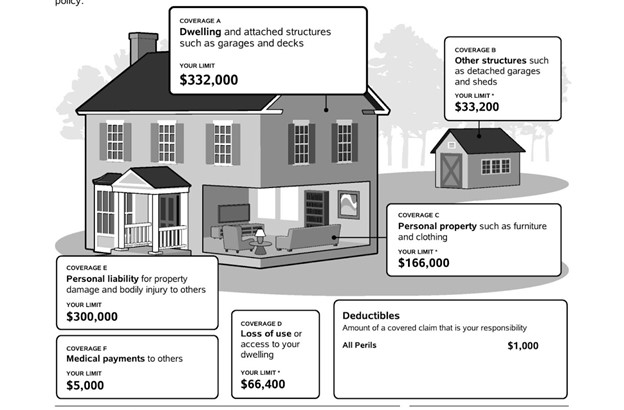
  • Coverage Types and Limits: This is critical. It lists the different types of coverage (e.g., Dwelling, Other Structures, Personal Property, Loss of Use, Liability) and the maximum amount the insurer will pay for each.
  • Deductibles: The amount you must pay out-of-pocket before your insurance coverage kicks in. In Eastern NC, you might see separate deductibles for wind/hail or hurricane damage.
  • Premium: The cost of your insurance for the policy period.
  • Endorsements/Riders: Any additions or modifications to your standard policy.

Eastern NC Tip: Pay close attention to your deductibles, especially for wind/hail and hurricane coverage. These are often a percentage of your dwelling coverage (e.g., 1% or 2%) rather than a flat dollar amount, which can significantly impact your out-of-pocket expenses after a major storm.

2. The Insuring Agreement

This section outlines the promises made by the insurance company. It broadly describes what perils are covered and under what circumstances. Most homeowners policies are typically either ‘named peril’ policies, which only cover what’s explicitly listed, or ‘open peril’ (also known as ‘all-risk’) policies, which cover everything except what’s specifically excluded. Given the risks in Eastern NC, an open peril policy with appropriate endorsements is generally preferred.

3. Definitions

This section is often overlooked but is incredibly important. Insurance policies use specific terminology, and the definitions section clarifies what those terms mean within the context of your contract. For example, understanding how your policy defines ‘windstorm,’ ‘hurricane,’ or ‘flood’ can be crucial when filing a claim. Don’t assume common language applies; always refer to the policy’s definitions.

4. Exclusions

This is where the policy explicitly states what is not covered. Common exclusions include:

  • Flood Damage: This is a major one for Eastern NC. Standard homeowners policies do not cover flood damage. You need a separate flood insurance policy, typically through the National Flood Insurance Program (NFIP) [3]. Given the low-lying areas and proximity to rivers and the ocean in Wilmington, Jacksonville, and Morehead City, flood insurance is often a non-negotiable necessity.
  • Earthquake Damage: While less common, earthquakes can occur in NC. This is usually an optional add-on.
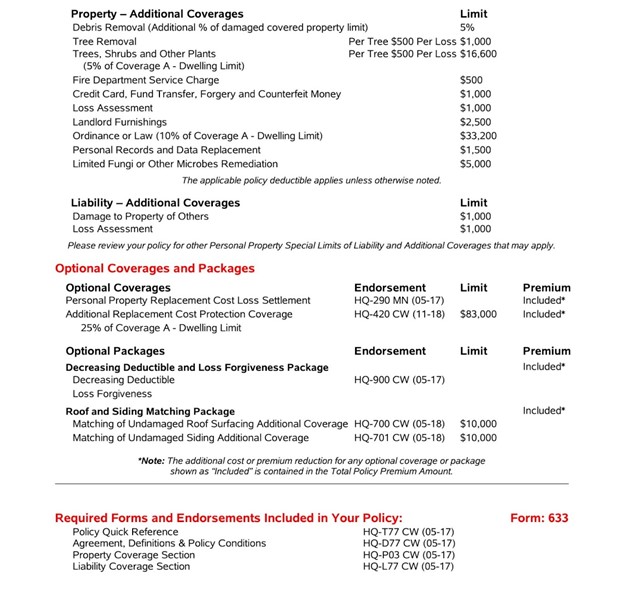
  • Ordinance or Law: This exclusion relates to increased costs of repair or reconstruction due to updated building codes. For example, if your home is damaged and current building codes require more expensive materials or construction methods, your standard policy might not cover the difference. This is particularly relevant in Eastern NC, where building codes are frequently updated to enhance resilience against hurricanes and coastal flooding [1]. An ‘Ordinance or Law’ endorsement can provide this crucial coverage.
  • Mold and Fungi: While some policies offer limited coverage for mold resulting from a covered peril, extensive mold damage, especially from long-term humidity issues, might be excluded or have very low limits. Understanding these limitations is key for homeowners in our humid climate.
  • Wear and Tear/Lack of Maintenance: Policies generally don’t cover damage that results from neglect or the natural aging of your home.

Eastern NC Tip: Always review the exclusions carefully. If you live in a flood zone or an area prone to hurricanes, ensure you have separate flood insurance and consider endorsements for wind/hail and ordinance or law coverage. The North Carolina Insurance Underwriting Association (NCIUA), also known as the Coastal Property Insurance Pool, provides windstorm and hail coverage in the 18 eligible coastal counties when it’s unavailable in the standard market [2].

5. Conditions

This section outlines the responsibilities of both the insured (you) and the insurer. It details what you must do to maintain coverage and what steps you need to take after a loss. This includes:

  • Prompt Notification of Loss: You must notify your insurer within a specified timeframe after a loss.
  • Protecting Property from Further Damage: You are expected to take reasonable steps to prevent additional damage after an incident.
  • Cooperation with Investigation: You must cooperate with the insurer during the claims investigation process.
  • Payment of Premiums: Failure to pay premiums can result in policy cancellation.

6. Endorsements (Riders)

Endorsements are modifications that add, delete, or alter the coverage of your standard policy. They are particularly important in Eastern NC to tailor your policy to local risks. Common endorsements to consider include:

  • Windstorm and Hail Coverage: Often separated or limited in coastal areas, this endorsement ensures adequate protection against hurricane-force winds and hail. The NCIUA is a key resource for this in coastal counties [2].
  • Flood Insurance: As mentioned, a separate policy is essential for flood-prone areas.
  • Ordinance or Law Coverage: Crucial for covering increased rebuilding costs due to updated building codes, especially after a major storm [1].
  • Sewer Backup/Sump Pump Overflow: Can cover damage from water backing up through sewers or drains, a risk in areas with heavy rainfall.
  • Identity Theft Protection: While not weather-related, this is a valuable add-on for many homeowners.

Key Terms to Understand

Beyond the policy sections, familiarizing yourself with these terms will enhance your understanding:

  • Actual Cash Value (ACV) vs. Replacement Cost Value (RCV): ACV pays for the cost of replacing damaged property minus depreciation. RCV pays for the cost of replacing damaged property with new property of similar kind and quality, without deduction for depreciation. RCV offers superior protection, especially for older homes or personal belongings.
  • Deductible: The amount you pay before your insurance company pays. For Eastern NC, be aware of separate wind/hail or hurricane deductibles, which are often percentage-based.
  • Peril: An event that causes a loss, such as fire, windstorm, or theft.
  • Liability Coverage: Protects you financially if you are found responsible for injuries to others or damage to their property.
  • Additional Living Expenses (ALE) / Loss of Use: Covers increased living costs if your home becomes uninhabitable due to a covered loss (e.g., hotel stays, meals).

Localizing Your Policy: Eastern NC Specifics

When reviewing your policy, keep the unique characteristics of Eastern NC in mind:

Hurricanes and Wind/Hail Coverage

Wilmington, Jacksonville, and Morehead City are all highly susceptible to hurricanes. The impact of Hurricane Florence in 2018, for example, highlighted the critical need for robust wind and hail coverage. Many standard policies in coastal areas exclude or limit wind and hail damage, requiring a separate policy or endorsement, often through the NCIUA [2]. Ensure your policy clearly defines what constitutes a ‘hurricane’ and how your deductible applies during such events.

Flood Zones and Flood Insurance

Much of Eastern NC, particularly areas near the Cape Fear River in Wilmington, the New River in Jacksonville, and the Bogue Sound in Morehead City, are designated flood zones. Even if you’re not in a high-risk zone, heavy rainfall can cause localized flooding. Standard homeowners insurance does not cover flood damage; a separate policy from the NFIP is essential [3]. Check FEMA flood maps to understand your property’s risk.

Humidity and Mold

The pervasive humidity in Eastern NC creates an environment conducive to mold growth. While some policies offer limited mold coverage, it’s often tied to a covered peril (e.g., a burst pipe). Damage from long-term humidity or neglect is typically excluded. Proactive moisture control and understanding your policy’s mold provisions are vital.

Building Codes and Ordinance or Law Coverage

Building codes in Eastern NC are continuously updated to improve resilience against severe weather. For instance, after Hurricane Floyd in 1999, many coastal communities adopted stricter elevation requirements. If your home is damaged and needs to be rebuilt to current codes, the cost could exceed your dwelling coverage. Ordinance or Law coverage protects against these additional expenses [1].

Practical Steps to Reading Your Policy

  1. Gather All Documents: Collect your main policy, declarations page, and all endorsements.
  2. Start with the Declarations Page: Get the overview of your coverage limits, deductibles, and policy period.
  3. Read the Definitions: Understand the specific meaning of terms used in your policy.
  4. Review the Insuring Agreement: Know what perils are generally covered.
  5. Scrutinize Exclusions: This is arguably the most important section for Eastern NC homeowners. Identify what is not covered and consider how those exclusions might impact you given local risks.
  6. Understand Conditions: Know your responsibilities before and after a loss.
  7. Examine Endorsements: Confirm that necessary coverages for Eastern NC risks (wind/hail, flood, ordinance or law) are included, either within your main policy or as separate endorsements.
  8. Ask Questions: Don’t hesitate to contact your insurance agent or the North Carolina Department of Insurance (NCDOI) [4] if anything is unclear. They are there to help you understand your coverage.

Conclusion

Your homeowners insurance policy is a complex but indispensable document. For residents of Eastern North Carolina, where the forces of nature can be particularly unforgiving, a thorough understanding of its contents is paramount. By taking the time to read and comprehend each section, paying special attention to local risks like hurricanes, floods, and evolving building codes, you can ensure your home and family are adequately protected. Don’t wait for a disaster to strike; empower yourself with knowledge today.

References

[1] City of Wilmington, NC. “Codes & Ordinances.” https://www.wilmingtonnc.gov/Government/Codes-Ordinances[2] North Carolina Insurance Underwriting Association (NCIUA). “Services and Coverages.” https://www.ncjua-nciua.org/html/svcs_cov.htm[3] National Flood Insurance Program (NFIP). https://www.fema.gov/flood-insurance[4] North Carolina Department of Insurance (NCDOI). “Homeowners Insurance.” https://www.ncdoi.gov/consumers/homeowners-insurance

Search For Another Article: