
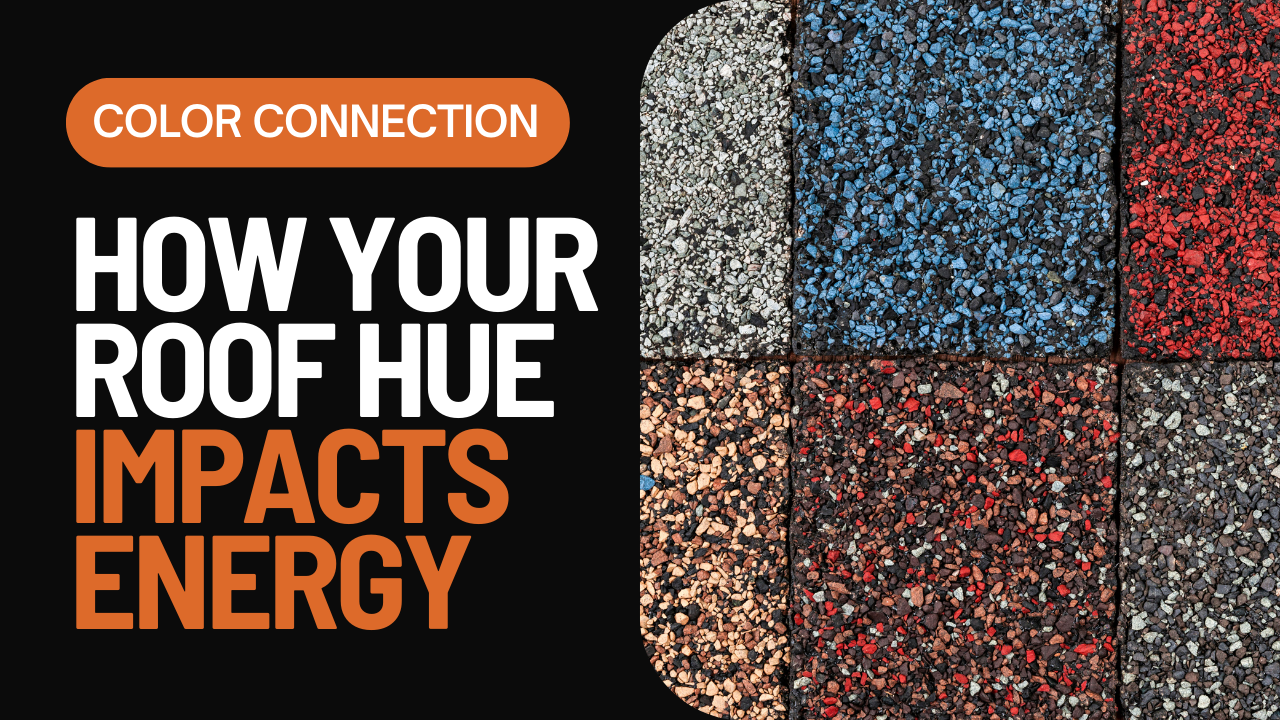
The Color Connection: How Your Roof Hue Impacts Energy Efficiency in Eastern North Carolina
As a homeowner in Eastern North Carolina, you understand the unique challenges and opportunities that come with living in this beautiful, yet sometimes demanding, region. From the historic charm of Wilmington to the bustling military community of Jacksonville and the coastal allure of Morehead City, our homes are exposed to a distinct climate. One often-overlooked aspect of home maintenance and energy efficiency, particularly crucial in our humid, hurricane-prone environment, is the color of your roof.
While aesthetics certainly play a role in your choice of roofing materials, the hue of your roof has a profound impact on your home’s energy consumption, comfort, and even its longevity. This expanded guide will delve into the science behind roof color and energy efficiency, explore the benefits of cool roofs, and provide practical advice tailored for Eastern North Carolina homeowners.
The Science of Solar Reflectance and Thermal Emittance
At its core, the relationship between roof color and energy efficiency is governed by two key scientific principles: solar reflectance and thermal emittance. Understanding these concepts is vital for making informed decisions about your roofing.
Solar Reflectance (Albedo): This refers to a material’s ability to reflect solar radiation (sunlight) back into the atmosphere rather than absorbing it. A higher solar reflectance means more sunlight is bounced away from your roof, keeping the surface cooler. Think of wearing a light-colored shirt on a sunny day – it feels cooler because it reflects more sunlight. Conversely, a dark-colored shirt absorbs more sunlight, making you feel warmer.
Thermal Emittance: This is a material’s ability to release absorbed heat. Even a highly reflective roof will absorb some heat. Thermal emittance measures how effectively a surface can radiate that absorbed heat back into the environment. Materials with high thermal emittance cool down more quickly once the sun sets or conditions change.
Together, solar reflectance and thermal emittance determine a roof’s Solar Reflectance Index (SRI). SRI is a measure of a roof’s ability to reject solar heat, as shown by a small temperature rise. A higher SRI value indicates a cooler roof. For instance, a standard black roof might have an SRI of 0, while a highly reflective white roof could have an SRI of 100 or more [1].
The Rise of Cool Roofs
The concept of a “cool roof” has gained significant traction in recent years, particularly in regions with warm climates. A cool roof is specifically designed to reflect more sunlight and absorb less heat than a conventional roof [2]. This design significantly lowers the temperature of the building, much like wearing light-colored clothing on a sunny day. While a conventional dark-colored roof can reach temperatures of 150°F or more on a sunny summer afternoon, a reflective cool roof under the same conditions could remain more than 50°F (28°C) cooler [2].
Benefits of Cool Roofs:
- Reduced Energy Consumption: By keeping the roof and attic cooler, cool roofs reduce the amount of heat transferred into your home. This lessens the workload on your air conditioning system, leading to significant energy savings, especially during the long, hot, and humid summers of Eastern North Carolina.
- Improved Indoor Comfort: Even in homes without air conditioning, a cooler roof can dramatically improve indoor comfort by reducing heat gain through the ceiling.
- Extended Roof Lifespan: High temperatures can accelerate the degradation of roofing materials. By maintaining a cooler temperature, cool roofs can extend the lifespan of your roofing system, delaying the need for costly replacements.
- Reduced Urban Heat Island Effect: On a larger scale, widespread adoption of cool roofs in urban areas like Wilmington and Jacksonville can help mitigate the “urban heat island effect,” where cities become significantly warmer than surrounding rural areas due to heat absorption by dark surfaces.
The Eastern North Carolina Climate Challenge
Eastern North Carolina presents a unique set of climatic challenges that make roof color and material selection particularly critical. Our region is characterized by:
- Intense Summer Heat and Humidity: Long periods of high temperatures and oppressive humidity mean air conditioning systems work overtime. A cooler roof can directly alleviate this burden.
- Hurricane Activity: As residents of coastal communities like Morehead City and the Outer Banks know all too well, hurricanes are a recurring threat. Roofing materials and installation must meet stringent wind resistance standards.
- Heavy Rainfall: Frequent and sometimes torrential downpours necessitate excellent waterproofing and drainage to prevent leaks and moisture-related issues.
- Salt Air Exposure: For homes closer to the coast, salt spray can accelerate corrosion and degradation of certain roofing materials.
Given these factors, selecting a roof that not only reflects heat but also withstands the elements is paramount. North Carolina enforces strict roofing regulations to ensure homes can endure the state’s hurricanes, heavy rains, and extreme weather conditions [3]. These codes affect everything from material requirements to ventilation standards and permitting.
Roofing Material and Color Considerations for Eastern NC
While lighter colors generally offer superior solar reflectance, advancements in roofing technology mean that homeowners in Eastern NC have more options than ever before. Modern “cool color” technologies allow darker-hued shingles and roofing materials to achieve impressive solar reflectance values, offering aesthetic flexibility without sacrificing energy efficiency [4].
Popular and Effective Roofing Options for Eastern NC:
-
Asphalt Shingles (Cool Roof Rated): These are the most common roofing material due to their affordability and versatility. For Eastern NC, it’s crucial to select asphalt shingles with a high SRI and a wind resistance rating of up to 130 mph or more. Many manufacturers now offer “cool roof” asphalt shingles that incorporate reflective granules to enhance solar reflectance, even in darker shades. North Carolina building codes often require shingles to be installed with six nails per shingle instead of the standard four for added wind resistance, especially in hurricane-prone areas [3].
-
Metal Roofing: Metal roofs are an excellent choice for Eastern NC due to their durability, longevity, and inherent reflective properties. Lighter-colored metal roofs can have very high solar reflectance and thermal emittance, making them highly energy-efficient. They are also exceptionally resistant to high winds, a critical factor in hurricane-prone regions like Wilmington and Jacksonville. Furthermore, metal roofs are resistant to mold and mildew, which can be a concern in humid climates.
-
Clay or Concrete Tiles: Often seen in coastal architecture, clay and concrete tiles offer excellent wind resistance and durability. Lighter-colored tiles can also contribute to a cooler roof. These materials are heavy, providing good stability against uplift during high winds, and are naturally resistant to salt air.
-
Synthetic/Composite Shingles: These engineered materials can mimic the look of natural slate or wood shakes but often come with enhanced performance characteristics, including improved solar reflectance and wind resistance. Many composite options are designed to withstand extreme weather and are a good choice for humid environments as they are less prone to mold and rot.
Beyond Color: The Importance of Proper Installation and Ventilation
While roof color and material are significant, their effectiveness is maximized only with proper installation and adequate ventilation. In Eastern North Carolina, these factors are non-negotiable:
- Building Codes and Permits: Always ensure your roofing project complies with local and state building codes. In areas like Wilmington and Morehead City, hurricane-rated roofing that meets the state’s wind resistance codes is often mandatory [3]. Permits are typically required for new roof installations, full replacements, and structural repairs. Failing to obtain necessary permits can result in fines or forced removal of unauthorized work [3].
- Underlayment: A high-quality, moisture-resistant underlayment is essential to create a watertight seal and protect against the heavy rains and humidity common in our region.
- Ventilation: Proper attic ventilation is critical for energy efficiency and preventing moisture buildup, mold growth, and premature degradation of your roof deck. North Carolina codes often require at least 1 square foot of ventilation per 150 square feet of attic space, with soffit and ridge vents recommended for continuous airflow [3]. In humid areas, poor attic ventilation can lead to roof deck rot and shingle damage, making proper venting crucial for extending roof life and reducing cooling costs [3].
- Hurricane Straps and Fasteners: In storm-prone areas, hurricane straps or clips may be required to secure the roof to the home’s frame, and shingles must be installed with extra fasteners to resist uplift [3].
Local Landmarks and Roofing Choices
Consider the architectural styles prevalent in Eastern North Carolina. From the historic homes in downtown Wilmington to the modern coastal constructions in Emerald Isle, roofing choices often reflect both tradition and necessity. While a historic district might have specific aesthetic guidelines, modern materials can often meet these while providing superior energy efficiency and storm protection. For example, a home near the iconic Cape Lookout Lighthouse might opt for a metal roof that can withstand the relentless coastal winds and salt spray, while a property in a more inland part of Jacksonville might prioritize a cool-rated asphalt shingle for its balance of cost and performance.
Conclusion: A Smart Investment for Your Eastern NC Home
Choosing the right roof color and material for your Eastern North Carolina home is more than just an aesthetic decision; it’s a strategic investment in your property’s energy efficiency, comfort, and resilience against our unique climate. By understanding the principles of solar reflectance and thermal emittance, embracing cool roof technologies, and adhering to local building codes, you can significantly reduce your energy bills, enhance indoor comfort, and protect your home for years to come.
Consulting with a reputable local roofing contractor who is familiar with Eastern North Carolina’s specific challenges and building regulations is always recommended. They can help you navigate the options and ensure your new roof is a perfect blend of beauty, efficiency, and durability.
References
- Solar Reflectance Index (SRI) – Daltile
- Cool Roofs – U.S. Department of Energy
- North Carolina Roofing Codes: What Homeowners Need to Know – Citadel Contracting
- Cool Roofs | Heat Island Group – Lawrence Berkeley National Laboratory