
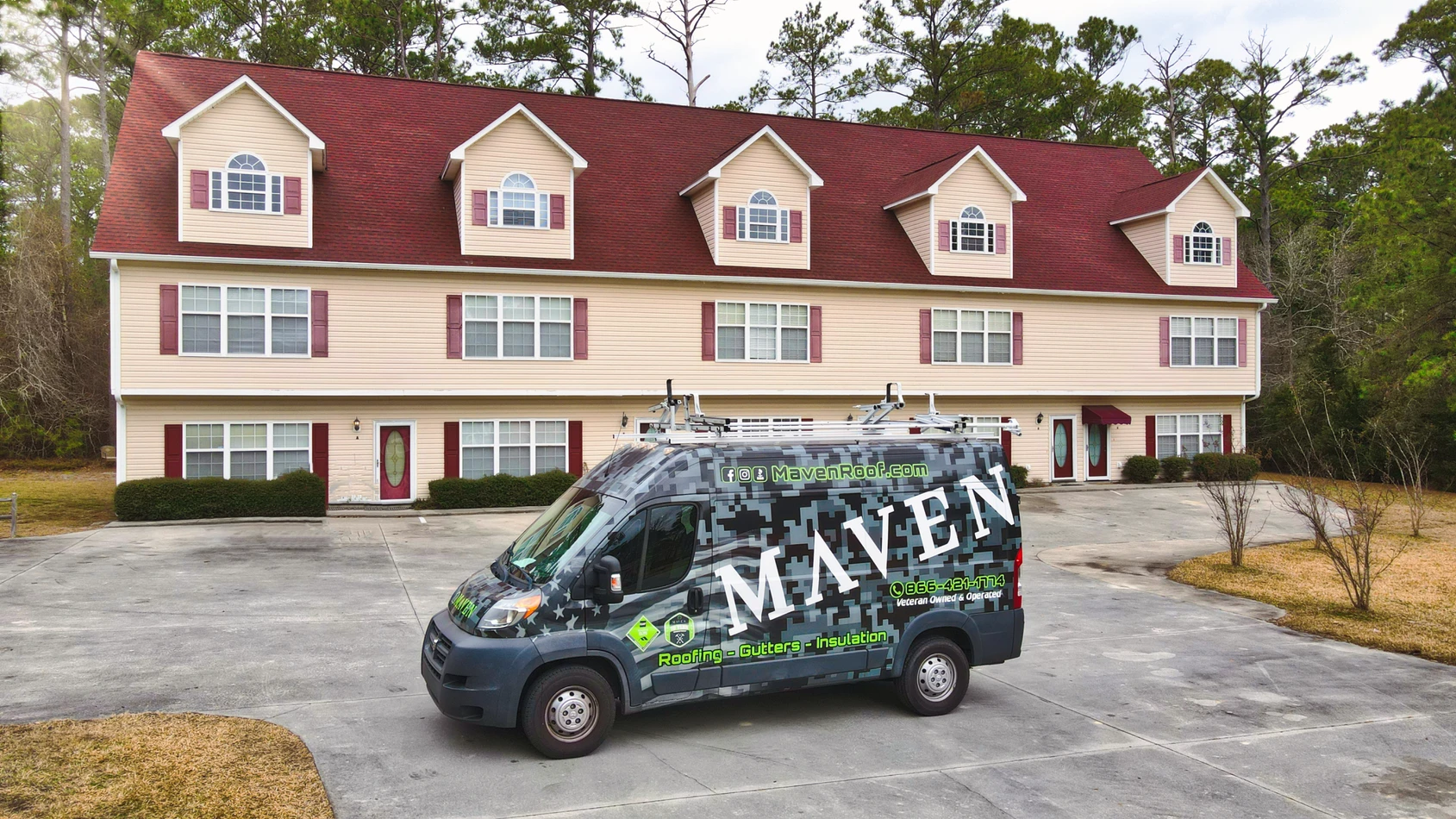
Why Should I Trust You? Every Homeowner’s Question in Eastern North Carolina

As a homeowner, the question of trust is paramount when inviting professionals into your most valuable asset. This sentiment rings especially true in Eastern North Carolina (ENC), where unique environmental challenges and a close-knit community amplify the importance of reliable, expert service. From the historic charm of Wilmington to the military-centric community of Jacksonville and the coastal allure of Morehead City, homeowners across this region face distinct considerations that demand a higher level of scrutiny when selecting contractors and service providers. This expanded guide aims to empower ENC homeowners with the knowledge and tools to confidently answer the question, “Why should I trust you?” for any professional they consider.

Understanding the Eastern NC Homeowner’s Unique Needs

Eastern North Carolina is a region of unparalleled beauty, but it also presents a unique set of challenges for homeowners. The coastal proximity and climate dictate specific building practices and maintenance routines that differ significantly from inland areas. Understanding these regional nuances is the first step in identifying truly trustworthy professionals.

Weather Resilience: Battling Hurricanes and Coastal Elements

The threat of hurricanes and tropical storms is an undeniable reality for Eastern NC residents. These powerful weather events bring with them high winds, torrential rains, and storm surge, which can inflict severe damage on homes. Consequently, building codes in coastal areas are often more stringent, emphasizing resilience against these forces. For instance, Chapter 46 of the 2018 North Carolina State Building Code: Residential Code specifically addresses coastal and flood plain construction standards [1]. This chapter outlines requirements for:

  • High-Wind Zones: Structures in areas designated as 150 mph wind zones must adhere to specific construction methods to withstand extreme gusts.
  • Pile Foundations: In coastal high hazard and ocean hazard areas, one- and two-family dwellings are often required to be built on pile foundations, with detailed specifications for material, size, depth, and bracing [1]. This elevates the living space above potential floodwaters and provides stability against erosion.
  • Elevation Standards: The lowest structural member and the first habitable floor must be elevated above the Base Flood Elevation (BFE) to mitigate flood damage [1].

Homeowners in Wilmington, Jacksonville, and Morehead City, all situated near the coast, must prioritize contractors who are not only aware of these codes but have a proven track record of implementing them effectively. A trustworthy professional in ENC will be well-versed in storm-resistant construction techniques, such as proper roof fastening, impact-resistant windows, and elevated foundations, ensuring your home is built or repaired to withstand the region’s formidable weather.

Humidity and Moisture: The Silent Threat

Beyond the dramatic impact of hurricanes, Eastern North Carolina’s pervasive humidity poses a constant, insidious threat to homes. High humidity levels can lead to a host of problems, including:

  • Mold and Mildew Growth: Warm, moist environments are ideal breeding grounds for mold and mildew, which can compromise indoor air quality, trigger allergies, and cause structural damage.
  • Wood Rot: Prolonged exposure to moisture can lead to wood rot in framing, subflooring, and other structural components, weakening the integrity of the home.
  • HVAC System Strain: High humidity forces HVAC systems to work harder to cool and dehumidify, leading to increased energy consumption and premature system wear [2].
  • Pest Infestations: Damp conditions can attract pests like termites and cockroaches, further exacerbating damage.

Professionals in ENC should offer solutions tailored to combat humidity, such as proper ventilation, crawl space encapsulation, and high-efficiency dehumidifiers. They should also understand the importance of regular HVAC maintenance, including air filter changes and condensate drain checks, to ensure optimal performance and moisture removal [2].

Local Regulations and Permitting: Navigating the Bureaucracy

Each city and county in Eastern NC may have specific local ordinances and permitting processes that complement the state building codes. For example, homeowners in Wilmington, Jacksonville, and Morehead City will need to navigate their respective city or county development services departments for building permits. A reputable contractor will be familiar with these local requirements, ensuring all necessary permits are obtained and inspections are passed, preventing costly delays and potential legal issues. They should be able to guide you through the process, from initial application to final approval.

Coastal Living Considerations: Salt Air and Specific Maintenance

The salt-laden air along the Eastern NC coast can accelerate corrosion of metal components and degrade exterior finishes. This necessitates the use of corrosion-resistant materials and specialized maintenance practices. Trustworthy professionals will recommend appropriate materials and finishes for coastal environments and advise on maintenance schedules to protect your home from the corrosive effects of salt air.

Pillars of Trust: What to Look for in a Home Service Professional

When evaluating potential contractors or service providers, several key indicators can help you determine their trustworthiness and competence.

Licensing and Certification: The Foundation of Professionalism

In North Carolina, general contractors are required to be licensed by the NC Licensing Board for General Contractors for projects costing $40,000 or more [3]. This licensing process ensures that contractors meet specific criteria, including:

  • Age and Moral Character: Applicants must be at least 18 years old and possess good moral character [3].
  • Financial Responsibility: Evidence of financial responsibility is required to ensure they can complete projects and cover potential liabilities [3].
  • Examinations: Qualifiers must pass an examination demonstrating their knowledge of contracting, building codes, estimating, and relevant state laws [3].

There are different classifications of licenses, including residential contractor licenses, which are crucial for homeowners. Always verify a contractor’s license through the official NC Licensing Board for General Contractors website. Beyond general contracting, specialized trades like plumbing, electrical, and HVAC also have their own licensing boards and certifications. A truly trustworthy professional will readily provide proof of all relevant licenses and certifications.

Insurance and Bonding: Protecting Your Investment

Adequate insurance and bonding are non-negotiable. A reputable contractor should carry:

  • General Liability Insurance: This protects you from financial responsibility if property damage or bodily injury occurs during the project.
  • Worker’s Compensation Insurance: This covers medical expenses and lost wages for workers injured on your property, preventing you from being held liable.
  • Bonding: While not always required for residential projects, bonding provides a financial guarantee that the contractor will complete the work as per the contract. If they fail to do so, you can file a claim against the bond.

Always request proof of insurance and bonding directly from the insurance provider, not just from the contractor, to ensure the policies are active and sufficient.

Experience and Specialization: Proven Expertise

Experience matters, especially in a region with unique challenges like Eastern NC. Look for professionals with:

  • Relevant Experience: A contractor who has successfully completed similar projects in your specific area (e.g., coastal construction, humidity control) will have a better understanding of the local conditions and requirements.
  • Specialization: Some contractors specialize in particular areas, such as hurricane-resistant roofing or crawl space encapsulation. Their specialized knowledge can be invaluable for complex projects.
  • Proof of Work: Ask for a portfolio of past projects, particularly those in Eastern NC, and inquire about their experience with local building codes and environmental factors.

Reputation and References: The Power of Local Word-of-Mouth

In close-knit communities like those in Eastern NC, reputation is everything. Leverage local resources to gauge a professional’s standing:

  • Online Reviews: Check platforms like Google, Yelp, and the Better Business Bureau (BBB) for reviews and ratings. Pay attention to recurring themes, both positive and negative.
  • Local References: Ask for a list of recent clients in your area. Contact these references to inquire about their experience with the contractor’s communication, professionalism, quality of work, and adherence to timelines and budgets.
  • Community Forums: Local online forums or social media groups can provide valuable insights and recommendations from your neighbors.

Clear Communication and Transparency: No Surprises

Trust is built on clear and honest communication. A trustworthy professional will:

  • Provide Detailed Estimates: A comprehensive estimate should break down all costs, including labor, materials, and permits, leaving no room for hidden fees.
  • Offer Written Contracts: A detailed contract outlining the scope of work, timeline, payment schedule, and warranty information is essential for both parties.
  • Maintain Open Communication: They should be responsive to your questions, provide regular updates on project progress, and promptly address any concerns.

Warranties and Guarantees: Standing Behind Their Work

A confident and trustworthy professional will stand behind their work with clear warranties and guarantees. Understand what is covered, for how long, and the process for making a claim. This demonstrates their commitment to quality and customer satisfaction.

Vetting Professionals in Eastern NC: A Step-by-Step Guide

Initial Research

Begin your search by utilizing online resources and professional associations. Check the NC Licensing Board for General Contractors website to verify licenses. Explore local business directories and review sites. Look for contractors who actively highlight their experience in Eastern NC and their understanding of local challenges.

Interviewing Candidates

Once you have a shortlist, schedule interviews. Prepare a list of questions, including:

  • “How many projects have you completed in Wilmington/Jacksonville/Morehead City?”
  • “What is your experience with hurricane-resistant construction or humidity control solutions?”
  • “How do you handle local permitting and inspections?”
  • “Can you provide proof of current licensing, insurance, and bonding?”
  • “What is your communication process throughout a project?”

Reviewing Proposals and Contracts

Carefully review all proposals and contracts. Ensure they are detailed, transparent, and align with your expectations. Pay close attention to the scope of work, materials to be used, payment schedule, and any clauses related to change orders or unforeseen circumstances. If anything is unclear, ask for clarification before signing.

Checking References

Always contact the references provided. Ask specific questions about their experience, such as:

  • “Was the project completed on time and within budget?”
  • “How was the contractor’s communication?”
  • “Were there any unexpected issues, and how were they resolved?”
  • “Would you hire them again?”

Site Visits and Project Oversight

For larger projects, consider visiting ongoing or recently completed projects (with the contractor’s permission) to observe their work firsthand. During your project, maintain open communication and conduct regular check-ins to ensure the work is progressing as planned and meeting quality standards.

Building Long-Term Relationships: Beyond the First Job

Finding trustworthy professionals is not just about a single project; it’s about building a reliable network for the long term. A trusted contractor can become an invaluable resource for future maintenance, repairs, and upgrades. Regular maintenance, especially in Eastern NC’s challenging climate, is crucial for preserving your home’s value and preventing costly issues. A good professional can help you establish a preventative maintenance schedule tailored to your home’s needs.

Conclusion: Empowering Eastern NC Homeowners

In Eastern North Carolina, where the beauty of coastal living is balanced by unique environmental demands, the question of trust in home service professionals is more critical than ever. By understanding the specific challenges of the region, diligently vetting contractors based on licensing, insurance, experience, and reputation, and prioritizing clear communication, homeowners can confidently make informed decisions. Empower yourself with knowledge, ask the right questions, and build a network of trusted professionals who will help protect and enhance your most important investment for years to come.

References

[1] ICC Digital Codes. (n.d.). CHAPTER 46 COASTAL AND FLOOD PLAIN CONSTRUCTION STANDARDS – 2018 NORTH CAROLINA STATE BUILDING CODE: RESIDENTIAL CODE. Retrieved from https://codes.iccsafe.org/content/NCRC2018/chapter-46-coastal-and-flood-plain-construction-standards[2] Jackson & Sons. (n.d.). Is Eastern North Carolina Humidity Affecting Your Home?. Retrieved from https://www.jacksonandsons.com/eastern-north-carolina-humidity/[3] NC Licensing Board for General Contractors. (n.d.). License applicants. Retrieved from https://www.nclbgc.org/license-applicants/

Search For Another Article: